
Solar Roofing for Canadian Winters
Canadian winters create very different conditions than summer solar production. Cold temperatures, shorter daylight hours, snowfall, ice and changing roof conditions all need to be considered when evaluating a solar roofing system.
The key is understanding the difference between cold temperature and snow coverage — and designing the roofing and solar system around the environment where it will actually operate.
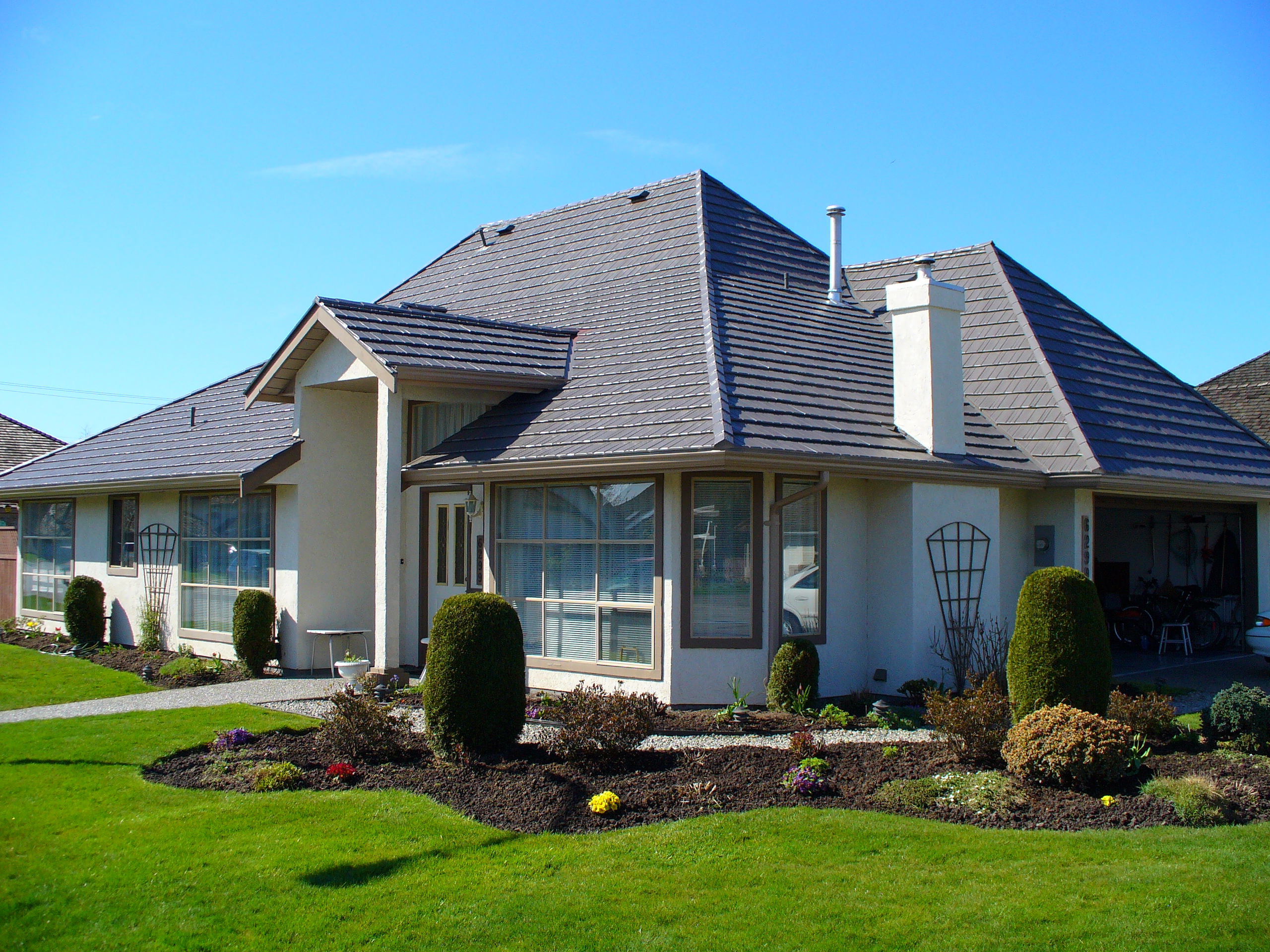
Canadian Winter Doesn’t Mean Solar Stops Working.
The temperature outside is only one part of winter solar performance. Sunlight availability, snow coverage, roof orientation, roof slope and system design all influence what happens during the colder months.
Cold Temperatures
Photovoltaic technology can operate in freezing temperatures. Cold itself should not be confused with a lack of sunlight.
Available Sunlight
Solar cells require light. Clear winter days can still provide usable solar energy even when outdoor temperatures are well below freezing.
Snow Coverage
When photovoltaic areas are substantially covered, less sunlight can reach the cells and production can temporarily decline.
Roof Design
Roof slope, roof geometry, drainage and snow accumulation patterns become important parts of winter system planning.
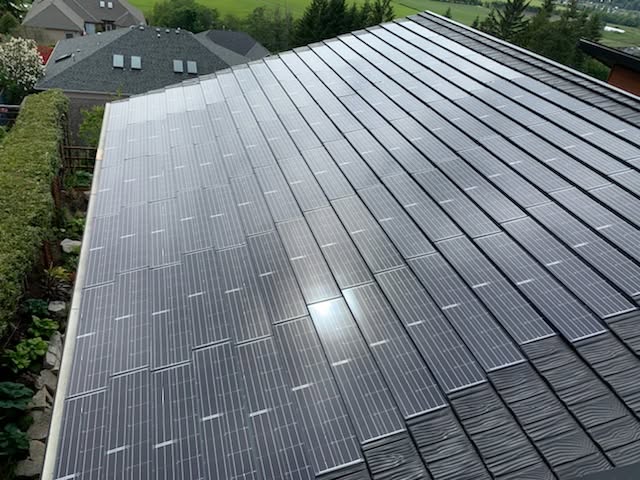
Yes — Solar Cells Still Work in Winter.
Solar photovoltaic technology operates using light, not outdoor heat.
That means a bright, freezing winter day can still provide conditions for photovoltaic electricity generation.
In fact, photovoltaic cells generally do not require warm outdoor temperatures to operate efficiently. The larger seasonal limitation in Canada is often the combination of shorter days, lower seasonal sunlight and periods of snow coverage.
A panel can be cold and exposed to strong sunlight. Conversely, a mild winter day with thick snow covering the photovoltaic surface may provide very little usable light to the cells.
The Real Winter Issue: Is the Solar Surface Exposed?
Photovoltaic cells need light. Snow accumulation can temporarily reduce output when it prevents sunlight from reaching the active photovoltaic surface.
Light Snow
Conditions vary with snow depth, temperature, sun exposure, roof slope and the characteristics of the individual roofing system.
Heavy Coverage
Significant snow covering the photovoltaic area can reduce the amount of sunlight reaching the cells and therefore reduce production.
After Snow Clears
Once the active photovoltaic surface is exposed again, the system can resume using available sunlight for electricity generation.
Sunlight Reaches the Cells
Sunlight Can Be Blocked
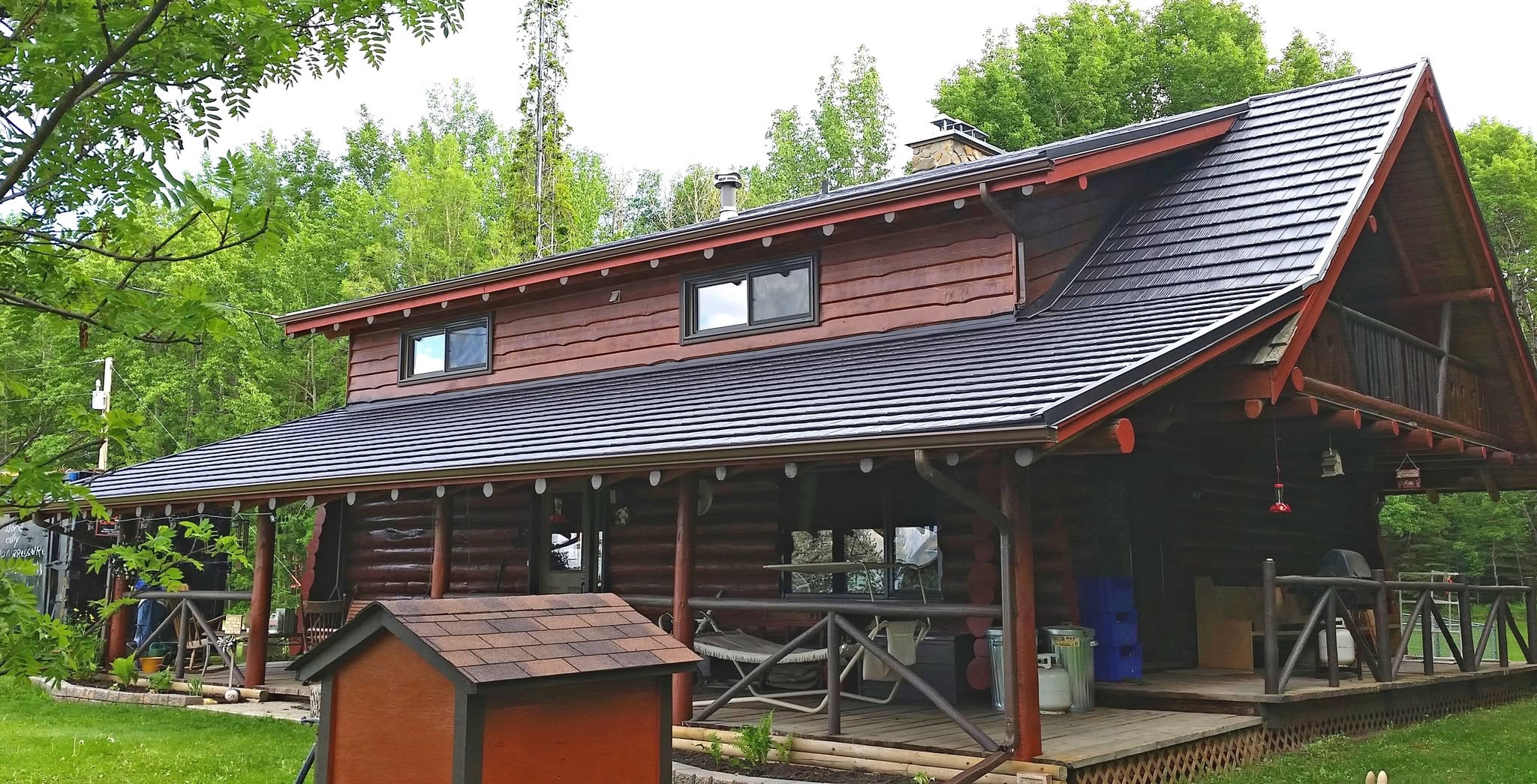
Solar Doesn’t Eliminate Normal Roofing Physics.
An integrated solar roof remains part of the building envelope.
Snow melt, refreezing, drainage, attic heat loss, ventilation and insulation can all influence what happens on a Canadian roof during winter.
Integrated solar therefore needs to be considered as part of the complete roofing assembly rather than as an isolated electrical product.
Integrated Solar Built Around Metal Roofing.
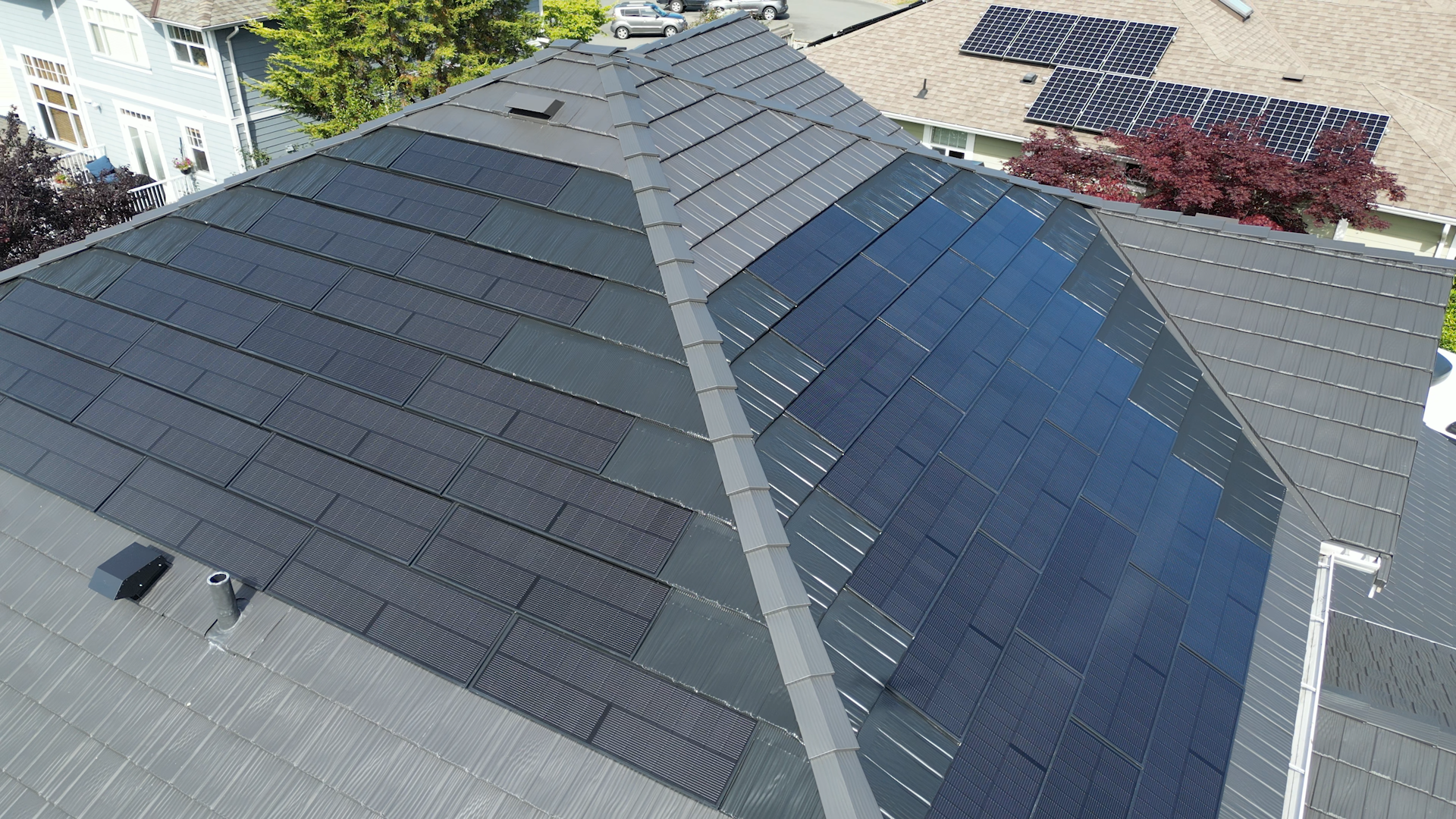
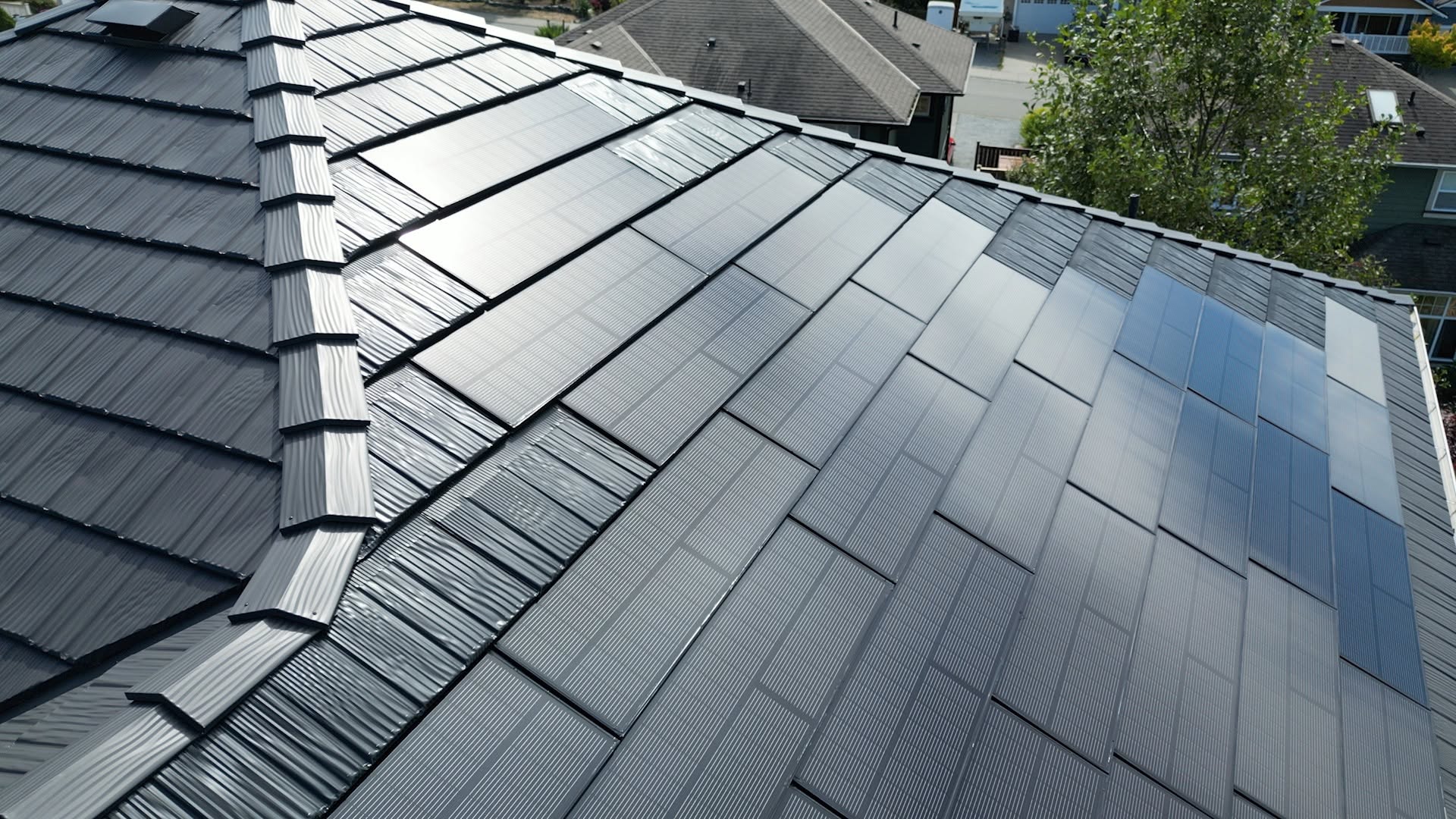
Ironwood e-Panel™ is a photovoltaic roofing product engineered to integrate with the RARE Ironwood Shake metal roofing system.
Photovoltaic panels are designed to work with surrounding Ironwood Shake roofing.
Eligible Ironwood applications require an appropriate roof configuration and minimum slope.
Electrical connections are positioned beneath the exterior photovoltaic panel surface.
Monocrystalline silicon solar cells generate electricity from available sunlight.
Four Things to Consider Before Installing Solar Roofing.
Roof Slope
Slope affects roofing compatibility, water movement and how snow may accumulate or move across the roof.
Solar Exposure
Usable roof areas should be evaluated for sunlight exposure throughout the year rather than only during summer.
Snow Loads
The roof structure and roofing system need to be appropriate for local conditions and the specific building.
Roof Condition
Existing roof condition should be understood before making a long-term solar investment.
Do not walk onto a snow-covered or icy roof simply to clear photovoltaic areas. Roof access during winter can be hazardous. Any inspection or snow-removal decision should take roof safety, the roofing system and manufacturer requirements into account.
Roofing Designed For the Real World.
Explore RARE metal roofing and integrated solar applications.
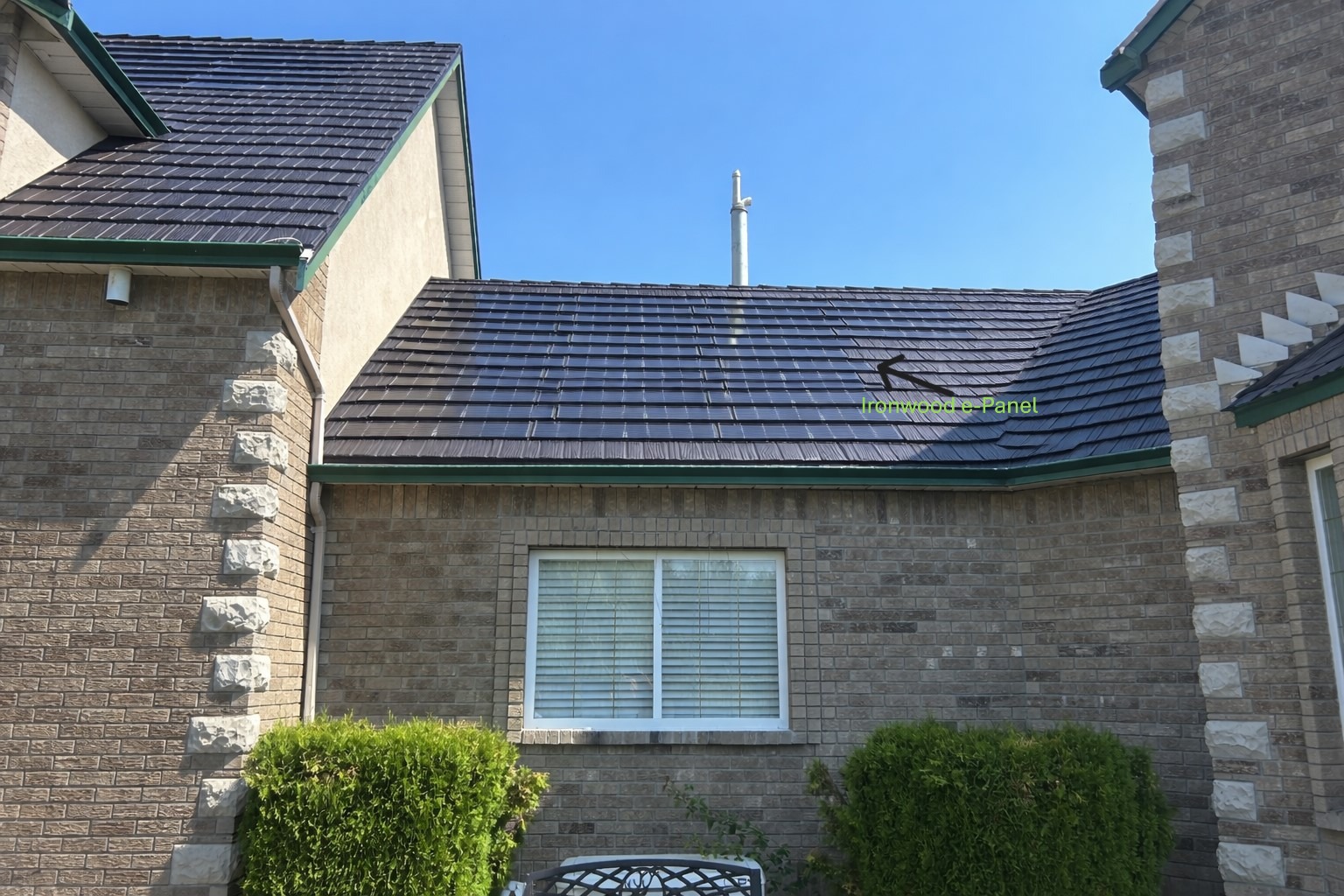
Solar Roofing Needs Canadian-Climate Thinking.
A successful Canadian solar project should consider both annual energy potential and the building’s winter roofing environment.
Don’t Design Only for July.
Ontario roofs experience summer heat, autumn rain, freezing temperatures, snow, ice, spring thaw and repeated seasonal transitions.
An integrated solar roofing project should therefore be planned as a year-round roofing system rather than only as a collection of solar cells.
Don’t Ask Only “How Much Solar?” Ask “What Kind of Roof?”
Your solar technology is going onto one of the most weather-exposed parts of your home. Evaluate the roof and the energy system together.
Solar Roofing in Winter Frequently Asked Questions.
Is Your Roof Ready for Solar?
Tell ROOFNOW™ about your Ontario property, current roof and interest in RARE Ironwood e-Panel™ integrated solar roofing.
We can start by reviewing the roof — because a solar roofing project should begin with the building it has to protect.
Request a Solar Roofing Review
Send your Ontario project information directly to ROOFNOW™.








 Contractor Member
 50-Year Warranty