
Roofing Science in Belcarra — ROOFNOW™
Belcarra is one of the most demanding microclimates in the Lower Mainland. Located on a forested peninsula surrounded by Burrard Inlet, the village experiences marine moisture, heavy rainfall, dense fog, salt exposure, and steep terrain. These conditions create roofing challenges that require engineering-level solutions to ensure long-term structural stability and performance.
Marine Moisture From Burrard Inlet
Cool ocean air moves inland across Belcarra year-round, increasing atmospheric humidity and extending roof wetting cycles. Roofing science confirms that moisture saturation accelerates asphalt shingle decay and weakens structural components over time. Steel roofing eliminates moisture absorption, maintaining predictable behaviour even in high-humidity environments.
Heavy Coastal Rainfall
Belcarra receives intense rainfall from Pacific storm systems that move through the inlet. Prolonged saturation leads to granule loss and material weakening in traditional roofing. Steel systems remain non-absorbent and structurally stable throughout extended wet seasons.
Fog, Mist, and Low Cloud Layers
Because of its elevation and dense forest cover, Belcarra regularly experiences morning fog and low cloud formation. These conditions increase the number of hours per day that roofs stay damp. Roofing science shows that drying rate is a direct predictor of roof lifespan. Steel surfaces dry quickly and resist moss and algae growth.
Salt Air Exposure on Waterfront Properties
Homes along Bedwell Bay and Deep Cove-facing slopes are exposed to salt aerosols that accelerate corrosion in unprotected materials. High-quality steel roofing with specialized coatings provides long-term resistance to salt-induced wear—an essential requirement for waterfront homes.
Wind Amplification Over Steep Terrain
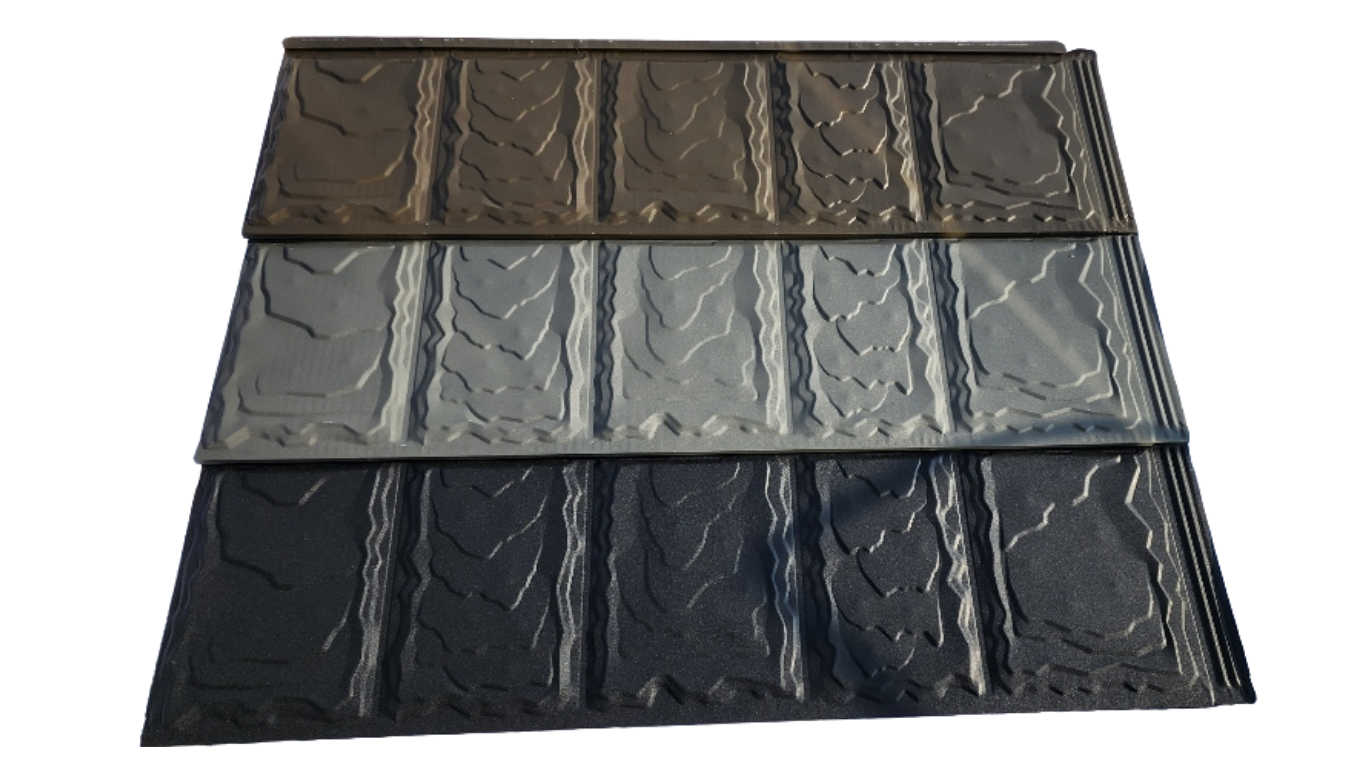
Belcarra’s steep hillsides intensify wind speed during storm events. Roofing science identifies uplift resistance as a major factor in long-term roof survival. Interlocking steel roofing creates a unified structural surface that reduces the risk of blow-offs, edge lifting, and wind-driven failure.
Thermal Cycling Between Day and Night
Belcarra’s coastal–mountain interface creates significant temperature shifts within a single day. Asphalt materials expand and contract under these cycles, causing cracking and material fatigue. Steel roofing maintains dimensional stability, protecting fasteners and underlayment systems.
Forest Debris Load
Belcarra is heavily forested, meaning roofs accumulate needles, branches, pollen, and moss-promoting organic debris. This debris traps moisture and slows drying, significantly accelerating deterioration. Roofing science emphasizes that strong attic airflow and regular debris clearing are essential for long-term roof performance in forest environments.
Why Belcarra Requires an Engineering-Based Roofing System
Belcarra’s combination of marine moisture, fog cycles, salt exposure, steep-slope winds, and heavy forest debris makes it one of the most demanding roofing environments in British Columbia. Homeowners require roofing systems engineered for corrosion resistance, moisture control, wind stability, and long-term structural reliability—not temporary surface materials.
ROOFNOW™ North America — Roofing Knowledge • Engineering • Building Science
ROOFNOW™ is a North American roofing knowledge organization focused on building-science education, long-term roof performance, engineering-based homeowner guidance, structural analysis, climate modelling, and advanced roofing intelligence across Canada and the United States.
• Canada Headquarters: www.roofnow.ca
• Knowledge Center: new.roofnow.ca
• Ontario Network: www.roofnowontario.com
• United States Division: www.usaroofnow.com
• Educational Book: Roof Smart. Roof Once.
© ROOFNOW™ North America. All rights reserved. Roofing Intelligence • Building Science • Structural Engineering • Climate Research.











 Contractor Member
 50-Year Warranty