Metal Roof For
Flat Roof Conversion
In Ontario.
Explore flat roof conversion options, low-slope roof solutions, ponding water problems, drainage issues, leaks, membrane failure, and metal roof redesign possibilities.
Flat roofs fail differently than pitched roofs. Drainage is everything.
Before adding metal roofing to a flat or low-slope roof, the roof pitch, drainage, structure, water movement, and product suitability must be reviewed carefully.
Explore
Conversion Options
Submit your roof details and ROOFNOW™ will review flat roof issues, drainage concerns, roof pitch, product options, and next steps.
- Flat roof drainage and ponding water.
- Current membrane, leaks, and roof condition.
- Low-slope or pitched conversion possibilities.
- Standing seam or redesign options.
🔒 Your information is secure and will never be shared.
A flat roof conversion starts with drainage, not roofing material.
Flat and low-slope roofs need careful evaluation because water moves slowly, drainage paths matter, and not every metal roofing product is suitable for low-slope applications.
Common flat roof problems
- Ponding water after rain or snow melt
- Membrane seams opening or aging
- Leaks near drains, edges, walls, or penetrations
- Poor slope or trapped water paths
- Repeated patching without solving drainage
What conversion planning reviews
- Existing structure and roof condition
- Current slope and drainage direction
- Whether pitch can be added or redesigned
- Low-slope metal roofing suitability
- Long-term leak prevention strategy
Ponding water is one of the biggest flat roof warning signs.
If water sits on a roof instead of draining, the roof system is under constant stress. A conversion review should determine whether the problem is membrane aging, poor slope, blocked drains, structural sagging, or design limitations.
There is more than one way to approach a flat roof problem.
The right solution depends on structure, slope, drainage, roof use, building style, budget, and long-term goals.
Add Slope
Create better water movement by improving pitch and drainage direction where possible.
Standing Seam
Some low-slope applications may use standing seam, depending on product specs and roof design.
Pitched Conversion
Some flat roofs may be redesigned into a pitched roof system for better drainage.
Drainage Redesign
Roof drains, scuppers, edges, transitions, and water paths need proper planning.
Not every metal roof product belongs on a flat roof.
Many residential metal shingles and tiles require adequate slope. Low-slope metal roofing must be matched carefully to manufacturer requirements, seam design, drainage, and installation method.
A flat roof conversion can solve more than a leak.
When done properly, conversion can improve drainage, reduce recurring repairs, change the home’s appearance, and create a stronger long-term roof strategy.
Better Drainage
Pitch and water movement are key to reducing flat roof problems.
Less Patching
Repeated membrane patches may not solve the underlying drainage problem.
Improved Curb Appeal
A pitched conversion can transform the look of the home.
Long-Term Planning
A conversion review helps compare repair, membrane replacement, or redesign options.
Some flat roofs need a redesign, not another patch.
If the same leak returns, the issue may be drainage, slope, transitions, wall details, or a roof system that no longer matches the building’s needs.
Flat roof conversion may open the door to metal roofing styles.
The final options depend on slope, structure, product requirements, and conversion design.
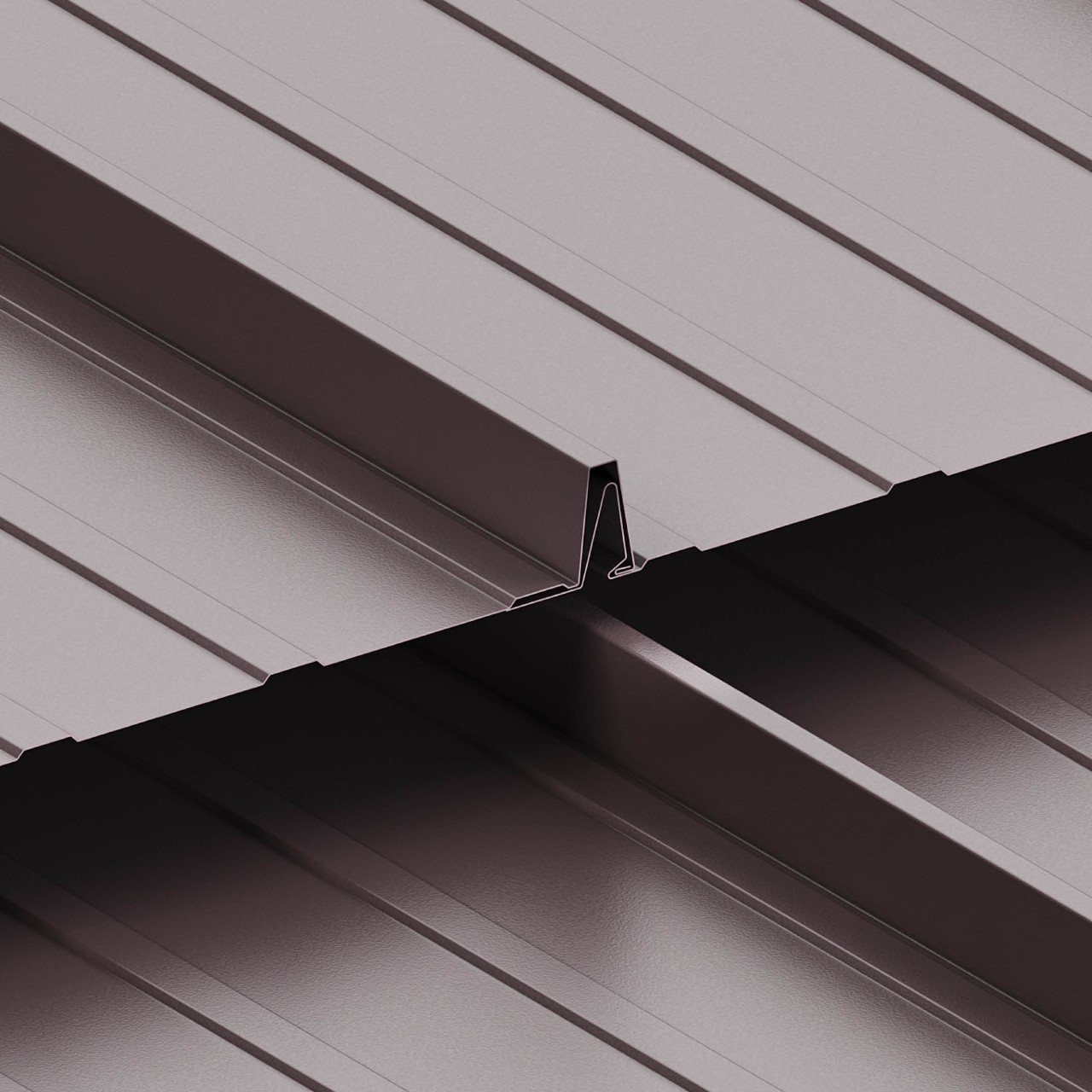
Standing Seam Metal
Often reviewed for low-slope or redesigned roof applications when specs allow.
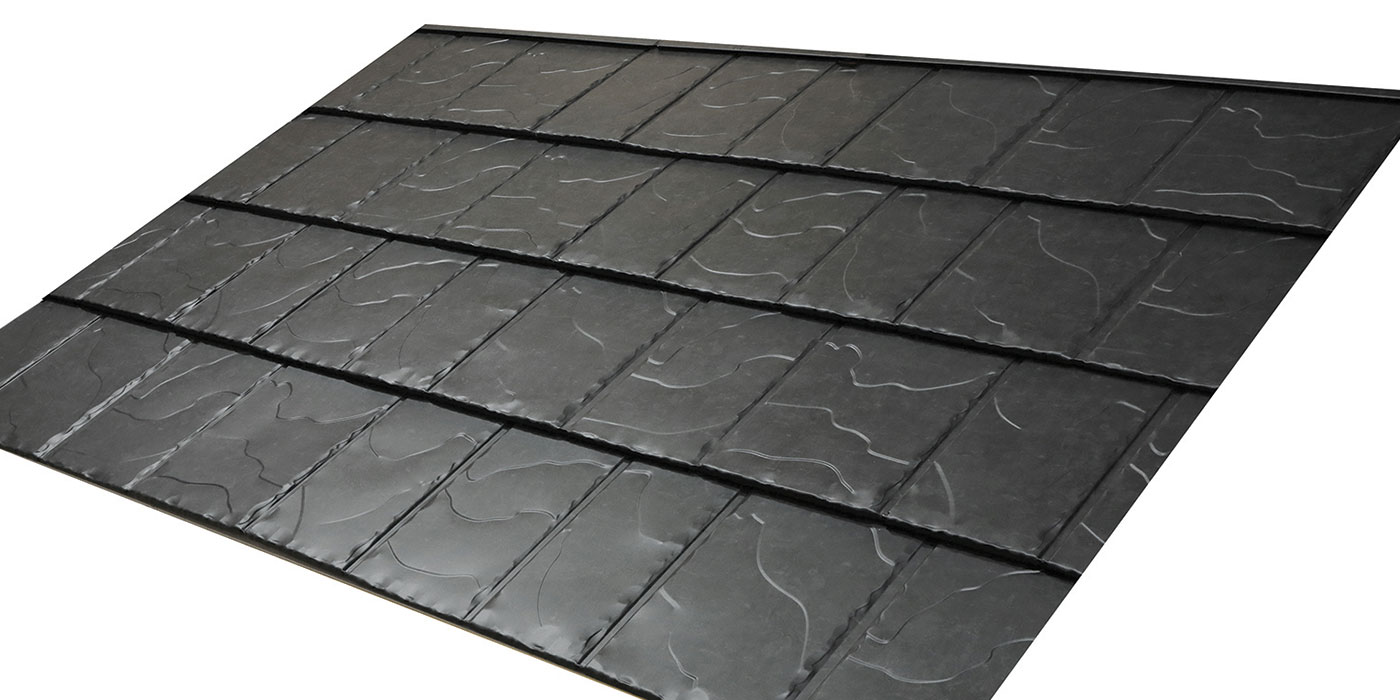
Slate-Style Metal
Possible when a roof is redesigned with proper slope for residential profiles.
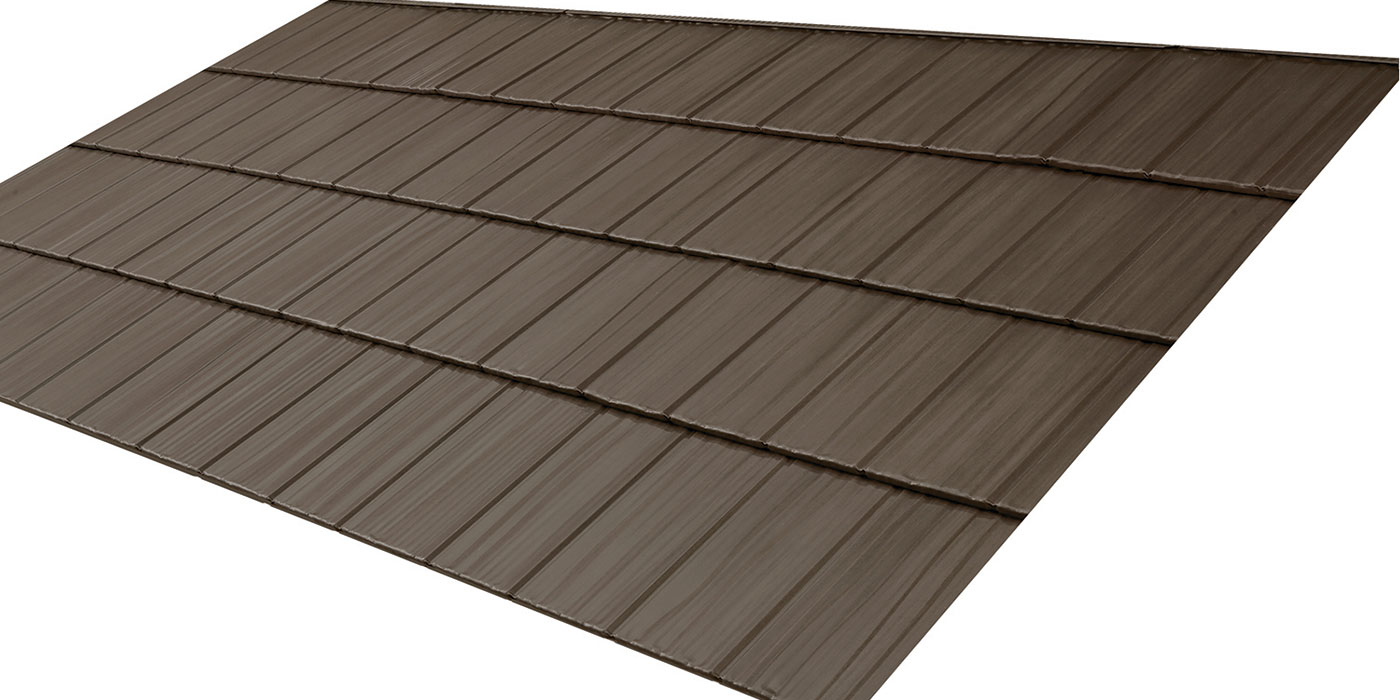
Shake-Style Metal
Classic residential style for pitched conversion or suitable roof designs.
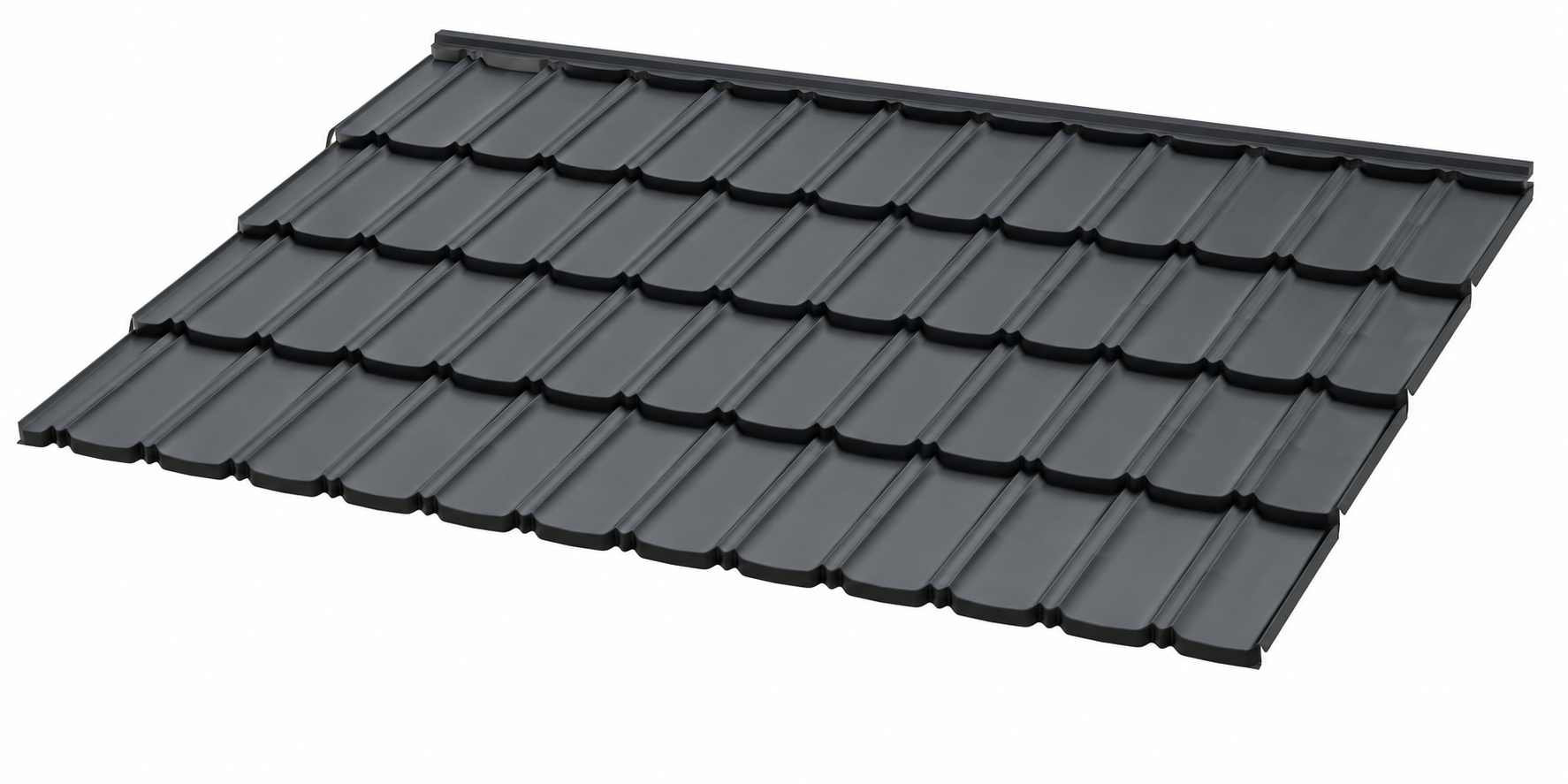
Tile-Style Metal
Architectural metal roofing option when slope and product requirements are met.
Flat roof conversions need careful planning because water always finds the weak point.
The right answer is not always “put metal on it.” The right answer starts with slope, drainage, structure, and product suitability.
After decades in roofing, I created ROOFNOW™ to help Ontario homeowners understand their options before spending money on another temporary repair or the wrong roof system.
Our mission is simple: educate first, install second, and help homeowners choose a roof system built for long-term confidence.
Founder & Owner — ROOFNOW™
Simple answers about metal roofing and flat roof conversion.
Can you put a metal roof on a flat roof?
It depends on slope, drainage, product requirements, seam design, and roof structure. A roof-specific review is needed before choosing metal roofing for flat or low-slope areas.
Can a flat roof be converted to a pitched roof?
In some cases, yes. The structure, building design, drainage needs, budget, and local requirements all need to be reviewed.
Is standing seam good for low-slope roofs?
Standing seam may be considered for some low-slope applications, depending on the product, seam type, minimum slope requirements, and installation details.
What causes ponding water?
Ponding water can come from poor slope, blocked drains, structural sagging, poor drainage layout, or aging roof systems.
Can ROOFNOW™ review my flat roof?
Yes. Submit your details and ROOFNOW™ can review your flat roof concern, drainage issues, conversion options, and possible metal roofing pathways.
Flat roof problems need
a drainage-first solution.
Request your ROOFNOW™ flat roof conversion review and explore low-slope, pitched conversion, standing seam, and roof redesign options for your Ontario home.
✓ Ponding Water & Drainage Review
✓ Standing Seam Options
✓ Roof Redesign Guidance