How Much Does a New Roof Cost?
A full homeowner guide explaining what affects new roof pricing, why quotes vary, and how to compare temporary asphalt roofing with permanent metal roofing from ROOFNOW™.
Request Your New Roof Cost Estimate
Complete the form below. It is connected to the ROOFNOW™ Formspree account.
Complete New Roof Cost Guide
This guide is written for Ontario homeowners comparing roof replacement options and trying to understand the real cost of a new roof before they buy.
The Real Answer to New Roof Cost
How much does a new roof cost? The honest answer is that a new roof does not have one universal price because every home is different. Roof size, slope, roof shape, existing material, number of layers, access, ventilation, flashing, decking condition, and the roofing system selected all affect the final cost. A small simple bungalow with one clean roof line is not priced the same way as a large two-storey home with steep slopes, valleys, skylights, chimneys, dormers, additions, and difficult access. This is why a proper roofing estimate should be based on the actual property and not just a quick guess.
For Ontario homeowners, the better question is not only what the roof costs today, but what it will cost over the life of the home. A lower-priced asphalt replacement can look attractive at first, but if it needs to be replaced again, repaired often, or starts failing early, the long-term cost can become much higher. A permanent metal roofing system usually requires a larger upfront investment, but it is designed to reduce the repeated replacement cycle that many homeowners experience with temporary roofing products.
ROOFNOW™ helps homeowners look at roof cost with a long-term view. The goal is to understand what the homeowner is buying, what is included, what details matter, and how the roof will perform over time. A roof is not only a surface covering. It is a weather protection system for the entire home.
Main Factors That Affect Roof Pricing
The first factor is roof size. Larger roofs need more material, more labour, more trims, more underlayment, more disposal, and more installation time. However, size alone does not determine cost. Two homes can have similar square footage but very different prices because one roof may be simple and the other may be complex. The number of roof planes, valleys, ridges, hips, transitions, and penetrations all matters.
The second factor is roof pitch. A steep roof can take longer to install and can require more safety planning. A low-slope roof may have its own requirements depending on the system being installed. The third factor is roof access. A home with tight side yards, landscaping, limited driveway space, or difficult material staging can take more time than a property with wide open access.
The fourth factor is the existing roof condition. If the current roof has multiple layers, old damage, leaking areas, rotten decking, weak sheathing, or ventilation issues, the project may require extra work before the new system can be installed properly. A new roof should not be installed over a weak foundation. Decking and structural details matter because the finished roof depends on what is underneath.
The fifth factor is material choice. Asphalt shingles, architectural shingles, standing seam metal, exposed-fastener metal, and interlocking metal systems all have different material costs, installation requirements, service life expectations, and long-term value. Comparing roofing prices without comparing roofing systems can mislead homeowners.
Why Cheap Quotes Can Be Expensive
A cheap quote may not include the same scope of work as a higher-quality estimate. Some quotes are low because they exclude important details. They may not account for proper flashing, ventilation review, cleanup, disposal, upgraded underlayment, ice protection, trims, or the time required to install the system properly. A homeowner may think they are comparing two roof prices, but they may actually be comparing two completely different scopes of work.
The cheapest roof can become expensive if it leaks, fails early, blows off, loses granules, or needs replacement sooner than expected. Roofing is one of those projects where a poor installation can create problems inside the home. Water can damage insulation, drywall, framing, ceilings, electrical components, and interior finishes. The cost of a failed roof can be much higher than the cost of choosing a better system from the beginning.
That does not mean homeowners should overpay. It means they should ask better questions. What exactly is included? What material is being installed? How are valleys handled? How are skylights and chimneys flashed? Is the roof being properly ventilated? What happens if damaged decking is discovered? Who installs the roof? What warranty applies to the material and installation? These questions help reveal the real value of an estimate.
Asphalt Roofing Compared With Permanent Metal Roofing
Asphalt roofing is common because it usually has a lower upfront cost. For homeowners who need the lowest possible price today, asphalt may appear attractive. However, asphalt is a temporary roof covering. It can dry out, curl, lose granules, crack, stain, and become vulnerable to wind and weather over time. In harsh Ontario conditions, homeowners often replace asphalt sooner than they expected.
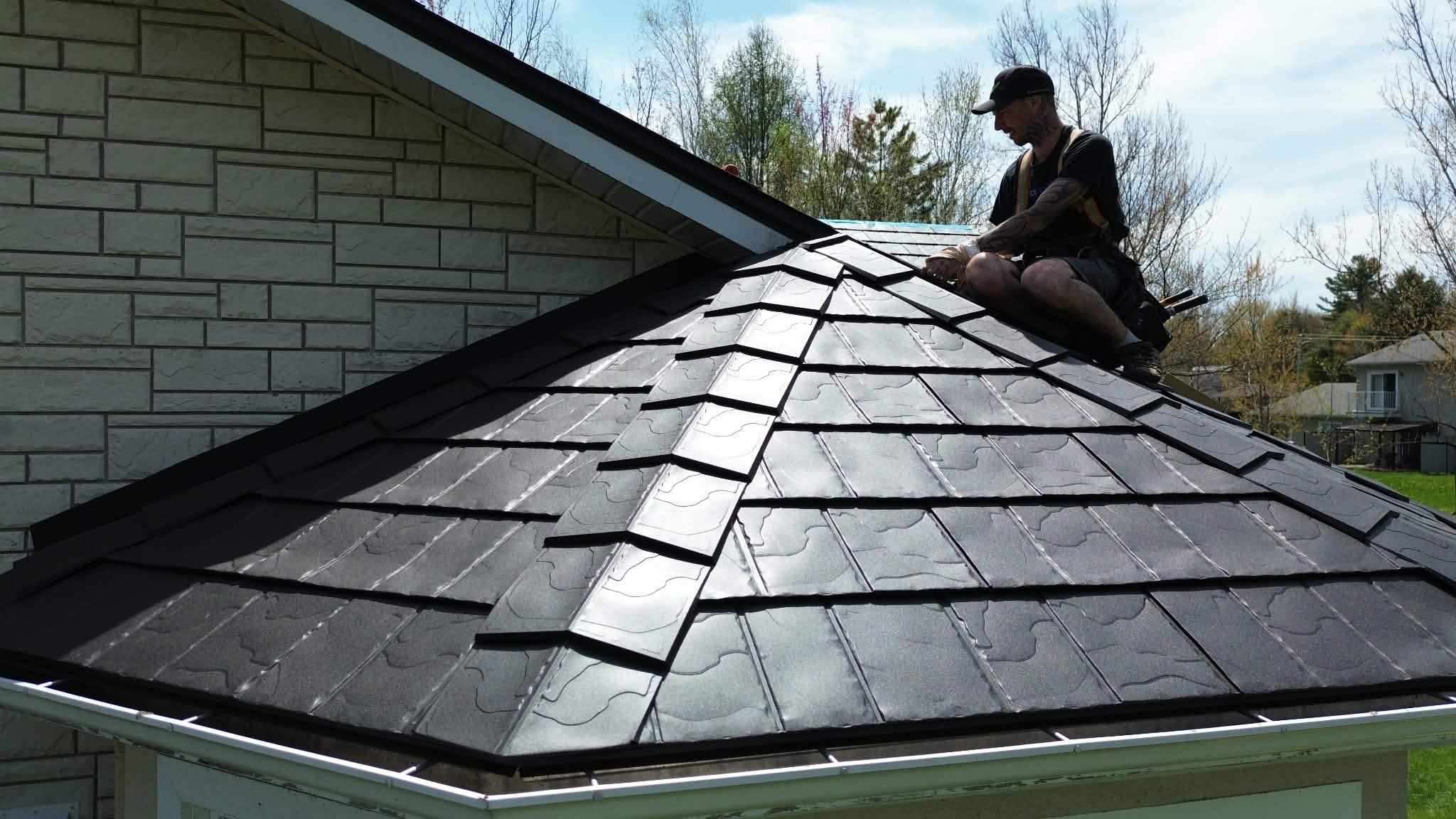
Permanent metal roofing is designed for a different homeowner. It is for people who want to stop re-roofing and invest in a system with longer-term durability. A quality metal roof can improve curb appeal, provide strong weather resistance, and reduce the chance of needing another full roof replacement during the homeowner’s time in the property. The upfront price is usually higher, but the long-term value can be stronger because the homeowner is buying a more permanent solution.
The decision is not only about material. It is about the homeowner’s goals. If someone plans to move immediately and only wants the lowest short-term price, asphalt may be considered. If someone wants a long-term roof, better protection, and fewer future roofing decisions, metal roofing becomes a serious option. ROOFNOW™ focuses on helping homeowners understand that difference clearly.
What Should Be Included in a Roof Estimate
A complete roof estimate should include more than a final number. It should explain the roof system, the material type, the installation method, removal and disposal, underlayment, flashing, ventilation details, trims, cleanup, warranty, and any assumptions. If the estimate is vague, the homeowner should ask for clarification.
A strong estimate should also identify possible extras before the project starts. For example, damaged decking may not be fully visible until the old roof is removed. A professional contractor should explain how this is handled. If the roof has skylights, chimneys, walls, valleys, or unusual transitions, those details should be included in the conversation.
The homeowner should know who is responsible for the work and what happens after installation. Cleanup, inspection, and final review all matter. A roof replacement is not only about installing material. It is about delivering a finished system that protects the home and gives the homeowner confidence.
Hidden Costs Homeowners Forget
Many homeowners forget about ventilation. A roof can fail early if the attic is poorly ventilated. Moisture and heat trapped in the attic can affect the roof deck and shorten the life of roofing materials. A roof replacement is a smart time to review intake and exhaust ventilation.
Another hidden cost is flashing. Flashing is one of the most important parts of a roof because it controls water at vulnerable areas. Chimneys, sidewalls, skylights, valleys, vents, and roof edges all need proper detailing. Cheap shortcuts in flashing can lead to leaks.
Decking is another common hidden cost. If the wood under the old roof is rotten, soft, delaminated, or damaged, it may need replacement. Installing a new roof over bad decking is not a good long-term solution. Good contractors explain this clearly so homeowners are not surprised.
Disposal, cleanup, and property protection also matter. Roofing creates debris. Old shingles, nails, packaging, and waste need to be managed properly. A professional job should protect landscaping, driveways, siding, windows, and entrances as much as possible.
Why ROOFNOW™ Focuses on Lifetime Value
ROOFNOW™ uses the phrase STOP RE-ROOFING. ROOF SMART. ROOF ONCE. ROOFNOW™ because many homeowners are tired of buying temporary roofs. A roof should not become a repeated cycle of stress, repairs, and replacement. The long-term value of a roof matters more than the lowest price on paper.
Lifetime value includes service life, durability, appearance, warranty structure, maintenance needs, weather performance, and peace of mind. It also includes the avoided cost of future replacement. If a homeowner replaces asphalt more than once, the total cost over time can be much higher than expected.
A permanent metal roof is not the cheapest roof today. It is meant to be a smarter long-term investment for homeowners who want strength, curb appeal, and a more permanent roofing solution. That is the difference ROOFNOW™ helps homeowners understand.
How to Get a More Accurate Price
The fastest way to get a more accurate roof price is to provide your name, phone number, city, address, roof type, and project timing. Photos can also help. Front, back, and side photos of the home can show roof shape, access, pitch, valleys, chimneys, skylights, and complexity.
A final estimate may still require additional review, but a good first submission helps ROOFNOW™ understand the project. The more complete the information, the better the estimate conversation can be. Homeowners should also mention any leaks, missing shingles, attic concerns, previous repairs, or upcoming deadlines.
If you are comparing prices, make sure you are comparing equal systems. A permanent metal roof and a basic asphalt roof should not be judged only by the upfront number because they are built for different outcomes. One is usually a short-term replacement. The other is designed as a long-term solution.
Final Guidance for Ontario Homeowners
Before buying a new roof, slow down and understand the full picture. Do not choose only by the lowest number. Look at the system, installation details, warranty, contractor experience, and long-term value. Ask what happens at valleys, edges, penetrations, ventilation, decking, and cleanup. Ask how long the system is expected to last and what it protects you from.
For homeowners who want a quick temporary replacement, asphalt may be part of the conversation. For homeowners who want to stop repeating the roofing cycle, permanent metal roofing may be the better path. ROOFNOW™ helps Ontario homeowners review their options and make a smarter roofing decision.
The best next step is to request an estimate based on the actual home. Once your roof is reviewed, you can understand the real cost, your options, and the value of investing in a stronger roofing system. ROOFNOW™ is built for homeowners who want to roof smart, roof once, and move forward with confidence.
STOP RE-ROOFING. ROOF SMART. ROOF ONCE. ROOFNOW™.
For homeowners who are tired of replacing temporary roofs, ROOFNOW™ helps compare the value of a permanent metal roofing system with the repeated cost of traditional roof replacement.
Get a ROOFNOW™ Estimate
Send your roof details and ROOFNOW™ can review your project.