
Roofing Science in Coldstream — ROOFNOW™
Coldstream, located at the southeastern edge of Vernon along Kalamalka Lake, experiences one of the most climate-intense environments in the North Okanagan. The region faces extreme summer heat, high UV exposure, strong valley winds, lake-effect storms, and severe winter freeze–thaw cycles. These conditions demand roofing systems engineered for thermal durability, structural resilience, fire resistance, and long-term climate stability.
High UV Exposure and Summer Heat
Coldstream receives some of the strongest UV radiation in the Okanagan due to clear skies, elevation, and highly reflective lake surfaces. Asphalt shingles deteriorate quickly under these conditions, losing flexibility and shedding granules. Steel roofing resists UV and retains long-term surface integrity even during heatwaves over 35°C.
Lake-Induced Microclimate Effects
Kalamalka Lake creates rapid weather shifts, including sudden storm bursts, wind gusts, and unexpected temperature swings. These conditions strain asphalt shingles but do not affect steel roofing’s stability or structure.
Strong Valley Winds
Coldstream lies within a north–south wind corridor that channels powerful gusts down the Okanagan valley. Uplift pressure frequently damages aging shingles. Interlocking steel roofing provides superior wind resistance through a unified, mechanically locked system.
Severe Winter Freeze–Thaw Cycles
Winter temperatures often hover around the freezing point, causing daily thawing and refreezing. Water infiltrates asphalt shingles and expands when frozen, leading to cracking and premature failure. Steel roofing eliminates water absorption and remains structurally consistent through winter cycles.
Wildfire and Ember Exposure
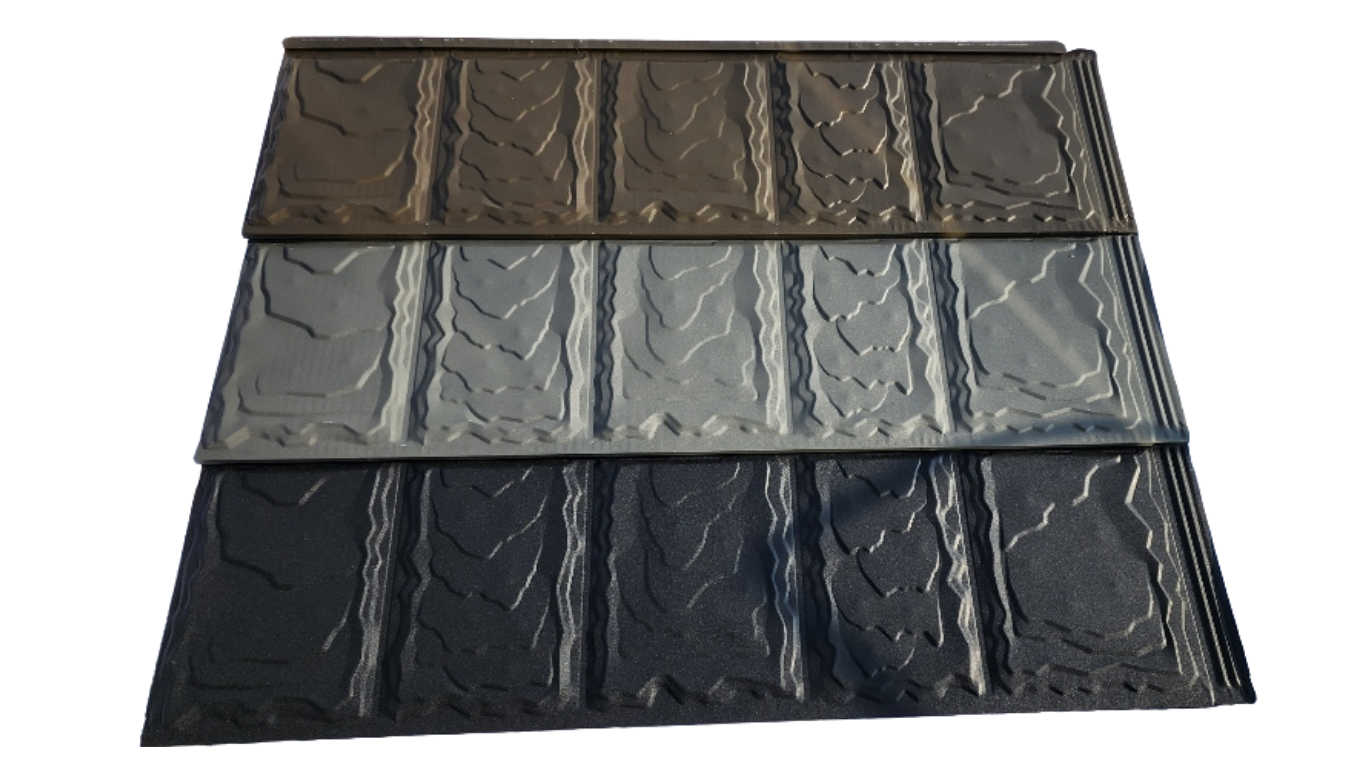
Coldstream borders grasslands and forested areas prone to wildfire activity. Embers carried by wind can ignite combustible roofing materials. Steel roofing provides a non-combustible Class A fire-resistant surface ideal for wildfire-risk zones.
Smoke, Ash, and Airborne Particulates
Wildfire seasons bring heavy smoke and particulate fallout. These contaminants degrade porous materials and shorten asphalt roof lifespan. Steel roofing resists chemical and particulate damage and is easy to restore after smoke exposure.
Thermal Shock From Rapid Weather Changes
Coldstream can shift from intense sun to cold lake winds within minutes. Asphalt shingles expand and contract under these rapid thermal swings, causing long-term material fatigue. Steel roofing maintains predictable thermal stability across these fluctuating conditions.
Why Coldstream Requires an Engineering-Based Roofing System
Coldstream’s combination of high UV exposure, extreme heat, valley winds, lake-effect storms, freeze–thaw cycles, and wildfire risk creates one of the toughest roofing climates in the North Okanagan. Engineering-driven steel roofing systems provide the thermal stability, fire resistance, and structural resilience required for long-term performance.
ROOFNOW™ North America — Roofing Knowledge • Engineering • Building Science
ROOFNOW™ is a North American roofing knowledge organization focused on building-science education, long-term roof performance, engineering-based homeowner guidance, structural analysis, climate modelling, and advanced roofing intelligence across Canada and the United States.
• Canada Headquarters: www.roofnow.ca
• Knowledge Center: new.roofnow.ca
• Ontario Network: www.roofnowontario.com
• United States Division: www.usaroofnow.com
• Educational Book: Roof Smart. Roof Once.
© ROOFNOW™ North America. All rights reserved. Roofing Intelligence • Building Science • Structural Engineering • Climate Research.





 Contractor Member
 50-Year Warranty