
Roofing Science in Charlottetown — Coastal Winds, Salt-Air Moisture, Heavy Snowfall, and Atlantic Freeze–Thaw Cycles
Charlottetown’s climate is shaped by strong coastal winds, ocean-driven humidity, heavy winter snowfall, salt-air exposure, freeze–thaw cycles, and powerful Atlantic storm systems. These forces create some of the most challenging roofing conditions in Eastern Canada. ROOFNOW™ provides Charlottetown homeowners with engineering-based roofing science built for coastal durability, winter performance, and long-term moisture resistance.
Charlottetown’s Major Roofing Stress Factors
Roofs in Charlottetown face high environmental stress due to:
- Salt-air moisture from the Atlantic Ocean
- Strong coastal wind systems
- Heavy winter snowfall
- Frequent freeze–thaw cycles
- Seasonal rainstorms
- Rapid temperature swings in spring and fall
These combined forces accelerate material fatigue and reduce the lifespan of traditional roofing systems.
Salt-Air Moisture Exposure
Proximity to the ocean introduces salt-laden moisture into the air, leading to:
- Surface corrosion on metal roofing systems
- Moisture absorption in asphalt shingles
- Accelerated degradation of coatings and fasteners
Salt-air conditions require roofing materials designed for marine environments.
Coastal Wind Stress
Charlottetown experiences intense wind exposure from ocean storms. Winds cause:
- Uplift pressure along roof edges
- Wind-driven rain intrusion
- Shingle displacement during storms
Wind uplift is one of the most common causes of storm-related damage in PEI.
Heavy Winter Snow Load
Snow accumulation throughout winter creates:
- Structural compression on roof decking
- Ice dam formation along eaves
- Meltwater intrusion during warm spells
Snow load is a major structural concern for the region’s older homes.
Freeze–Thaw Roof Stress
Temperature swings around freezing cause:
- Cracking in shingles and sealants
- Expansion of ice beneath roofing layers
- Deterioration of underlayment
Freeze–thaw cycles are especially damaging due to PEI’s moisture-rich climate.
Seasonal Rainstorms
Fall and spring storms bring heavy rainfall, causing:
- Surface saturation of shingles
- Granule erosion
- Leak development in older roofing systems
Stormwater runoff intensifies roofing wear over time.
Material Performance in Charlottetown
- Asphalt shingles: absorb moisture, soften during humidity, and crack during freeze–thaw cycles.
- Exposed-fastener metal: salt corrosion weakens washers and screws over time.
- Standing-seam metal: strong wind resistance but susceptible to salt-air surface wear.
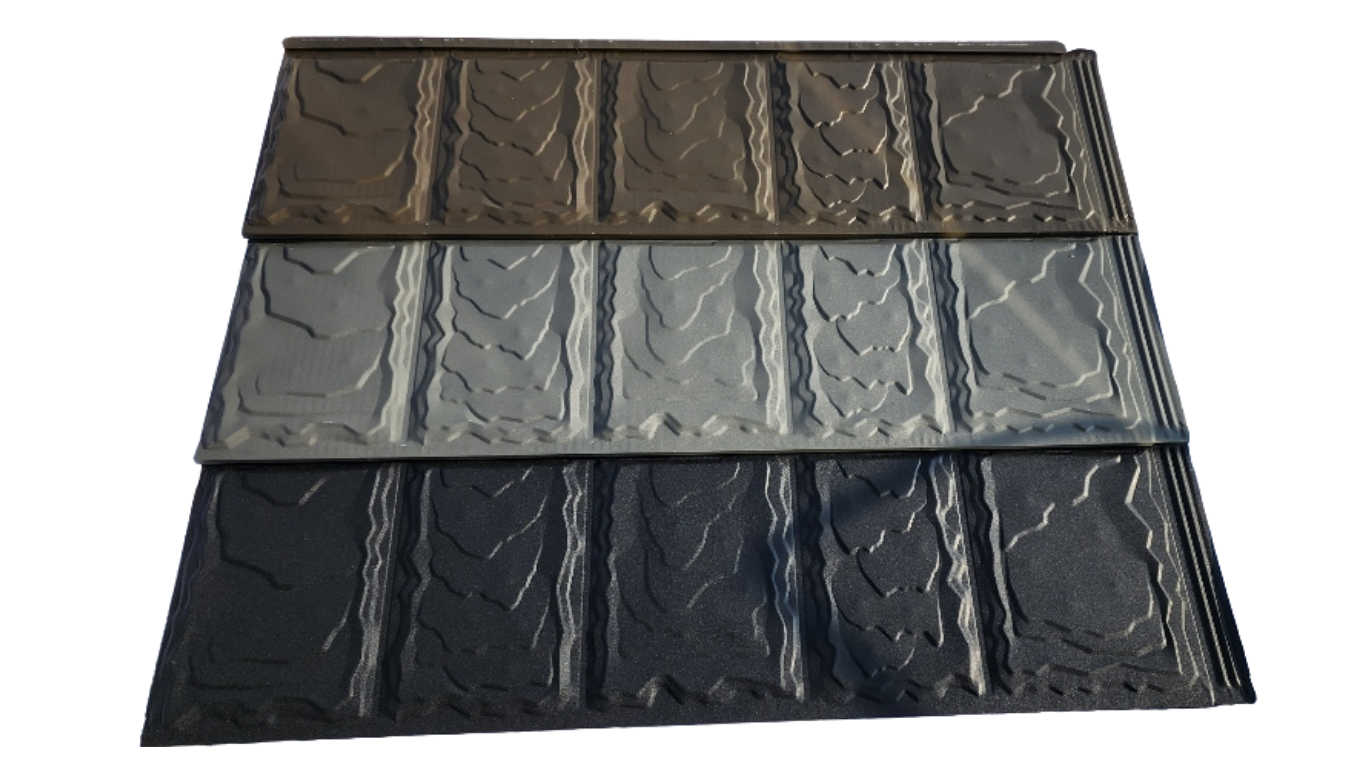
- G90 steel shingles: corrosion-resistant, low-expansion, and highly stable in marine environments.
Attic Moisture Behaviour in Charlottetown Homes
Warm indoor air meeting cold exterior roof surfaces produces:
- Condensation on roof decking
- Frost accumulation during winter
- Meltwater dripping during thaws
Atlantic humidity increases the importance of balanced attic ventilation.
What Charlottetown Homeowners Should Prioritize
- Salt-resistant materials for marine climates
- Wind-rated installation practices
- Moisture-tolerant underlayments
- Freeze–thaw-resistant roofing systems
- Ventilation designed for humid coastal air
Learn More
Explore more Atlantic-region roofing science at the ROOFNOW™ Knowledge Center:
https://new.roofnow.ca
ROOFNOW™ Closing Section
ROOFNOW™ provides Canadian homeowners with engineering-based roofing knowledge covering snow load, coastal wind behaviour, freeze–thaw cycles, attic airflow, and long-term moisture resilience. Explore more at the ROOFNOW™ Knowledge Center, www.roofnowontario.com, or visit the ROOFNOW™ main website at www.roofnow.ca.
🏠 STOP RE-ROOFING. ROOF SMART. ROOF ONCE. ROOFNOW™.
#roofnowontario
Official ROOFNOW™ Book:
https://www.amazon.ca/dp/B0G3L5HVVG
ROOFNOW™ Canada Network
* National Site: https://www.roofnow.ca
* Knowledge Center: https://new.roofnow.ca
* Ontario Network: https://www.roofnowontario.com








 Contractor Member
 50-Year Warranty