
Roofing Science in Winnipeg — Extreme Cold, Heavy Snow Load, Wind Exposure, and Severe Freeze–Thaw Stress
Winnipeg experiences some of the harshest winter conditions in Canada. With deep cold, strong winds, heavy snow accumulation, and powerful freeze–thaw cycles, roofing systems in Manitoba require materials and engineering suited for extreme climates. ROOFNOW™ provides Winnipeg homeowners with roofing science focused on winter durability, moisture behaviour, and long-term structural stability.
Winnipeg’s Major Roofing Stress Factors
Roofs in Winnipeg face significant environmental pressure due to:
- Extreme cold reaching −35°C to −40°C
- Heavy and persistent winter snow
- Strong prairie winds
- Rapid freeze–thaw cycles
- Short but intense summer heat
- Low humidity that dries and cracks materials
These conditions place severe stress on roofing materials throughout the year.
Extreme Winter Temperatures
Winnipeg’s long cold spells create:
- Shingle brittleness and cracking
- Fastener contraction
- Sealant hardening
- Underlayment stiffening
Winter cold is one of the primary causes of premature roofing degradation in Manitoba.
Heavy Snow Load
Winter snow accumulation leads to:
- Compression stress on roof decking
- Ice dams along the eaves
- Meltwater intrusion during warm spells
Snow load can exceed structural limits during long freeze periods.
Wind Exposure on the Prairies
Open prairie landscapes allow strong winds to strike roofing surfaces. This results in:
- Shingle edge lifting
- Wind-driven snow and rain penetration
- Increased uplift pressure
Wind-related stress is especially common in suburban and rural areas south and west of the city.
Freeze–Thaw Roof Damage
During spring and fall, daily temperature swings cause:
- Ice expansion beneath roofing layers
- Material cracking during warm-ups
- Sealant failure
Freeze–thaw cycling significantly reduces roof lifespan in Winnipeg.
Dry Climate Material Fatigue
Low humidity causes:
- Shingle drying and splitting
- Accelerated asphalt aging
- Degradation of caulking and rubber components
Dry air combined with extreme cold leads to fast material fatigue.
Summer Heat Stress
Though short, Winnipeg summers bring intense sunlight and heat. This causes:
- Thermal expansion across roofing materials
- Surface fading
- UV-driven deterioration
Heat stress compounds the damage already caused by winter conditions.
Material Performance in Winnipeg
- Asphalt shingles: crack in extreme cold, dry out in low humidity, and degrade under UV exposure.
- Exposed-fastener metal: screws loosen during freeze–thaw cycles; washers harden in cold.
- Standing-seam metal: strong snow performance but expands during hot summer days.
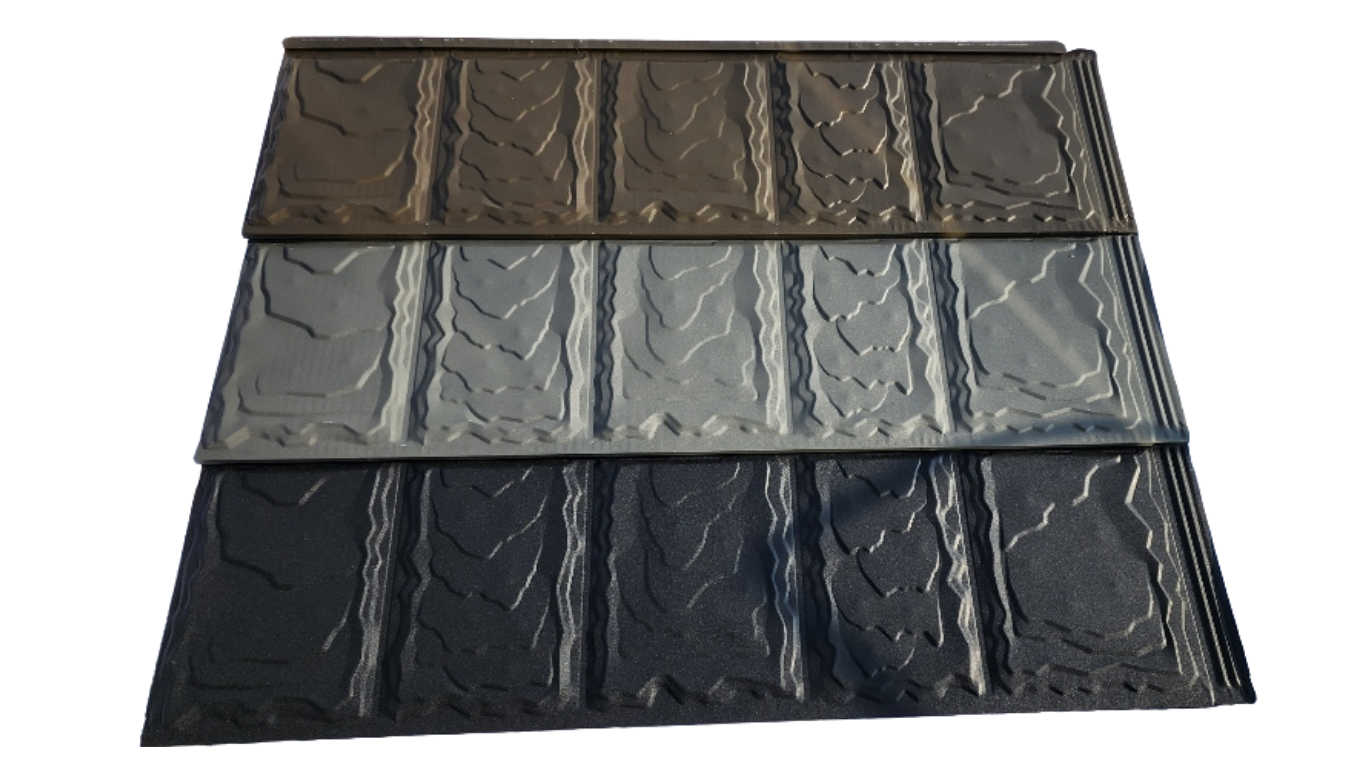
- G90 steel shingles: low-expansion, winter-stable, impact-resistant, and structurally ideal for Manitoba’s climate extremes.
Attic Moisture Behaviour in Winnipeg Homes
During long cold spells, warm indoor air meeting cold roof surfaces causes:
- Frost buildup on decking
- Condensation during warm-ups
- Dripping from melted frost
Proper attic ventilation is essential for winter moisture control.
What Winnipeg Homeowners Should Prioritize
- Winter-engineered roofing systems
- Low-expansion materials
- Cold-tolerant underlayment
- Ventilation designed for long winters
- Wind-rated installation for prairie conditions
Learn More
Explore more cold-climate roofing science at the ROOFNOW™ Knowledge Center:
https://new.roofnow.ca
ROOFNOW™ Closing Section
ROOFNOW™ provides Canadian homeowners with engineering-based roofing knowledge covering snow load, freeze–thaw cycles, attic airflow, and long-term winter durability. Explore more at the ROOFNOW™ Knowledge Center, www.roofnowontario.com, or visit the ROOFNOW™ main website at www.roofnow.ca.
🏠 STOP RE-ROOFING. ROOF SMART. ROOF ONCE. ROOFNOW™.
#roofnowontario
Official ROOFNOW™ Book:
https://www.amazon.ca/dp/B0G3L5HVVG
ROOFNOW™ Canada Network
* National Site: https://www.roofnow.ca
* Knowledge Center: https://new.roofnow.ca
* Ontario Network: https://www.roofnowontario.com









 Contractor Member
 50-Year Warranty