
Toronto Roofing Engineering Guide — ROOFNOW™
Toronto’s roofing environment is defined by rapid temperature shifts, lake-driven humidity, dense urban heat exposure, and older residential construction that amplifies roof system stress. This guide provides an engineering-based analysis of how Toronto’s climate affects roofing performance and explains why modern metal roofing systems deliver superior long-term stability in this region.
Toronto Climate Profile and Roofing Impact
Toronto sits in a mixed-humid continental climate zone with more than 130 freeze–thaw cycles annually. Moisture moves through roof assemblies at unpredictable rates during winter warm spells and sudden cold returns. Summers bring prolonged UV exposure intensified by the city’s heat island effect, raising roof surface temperatures well above surrounding areas. These climate combinations place significant stress on traditional asphalt roofing systems and accelerate material wear.
Temperature Swings and Thermal Stress
Daily temperature swings in Toronto often exceed 20°C during spring and fall. Asphalt shingles expand and contract with every shift, causing fatigue in the adhesive bond and gradual cracking across the mat structure. Steel roofing systems resist thermal deformation and maintain panel alignment under repeated expansion cycles. The difference in thermal movement is one of the primary reasons metal roofs remain structurally consistent in Toronto over time.
Moisture and Humidity Behaviour in Toronto Roofs
Toronto’s winter humidity levels and interior heat loss create condensation patterns inside many attics. Moisture accumulation along roof decking weakens plywood, affects fastener durability, and increases the likelihood of surface blistering in asphalt shingles. Steel roofing systems supported by balanced ventilation reduce moisture load by allowing attic air to stabilize more evenly. This limits condensation spikes and protects structural wood components from long-term saturation.
Toronto Snow Behaviour and Roof Load Patterns
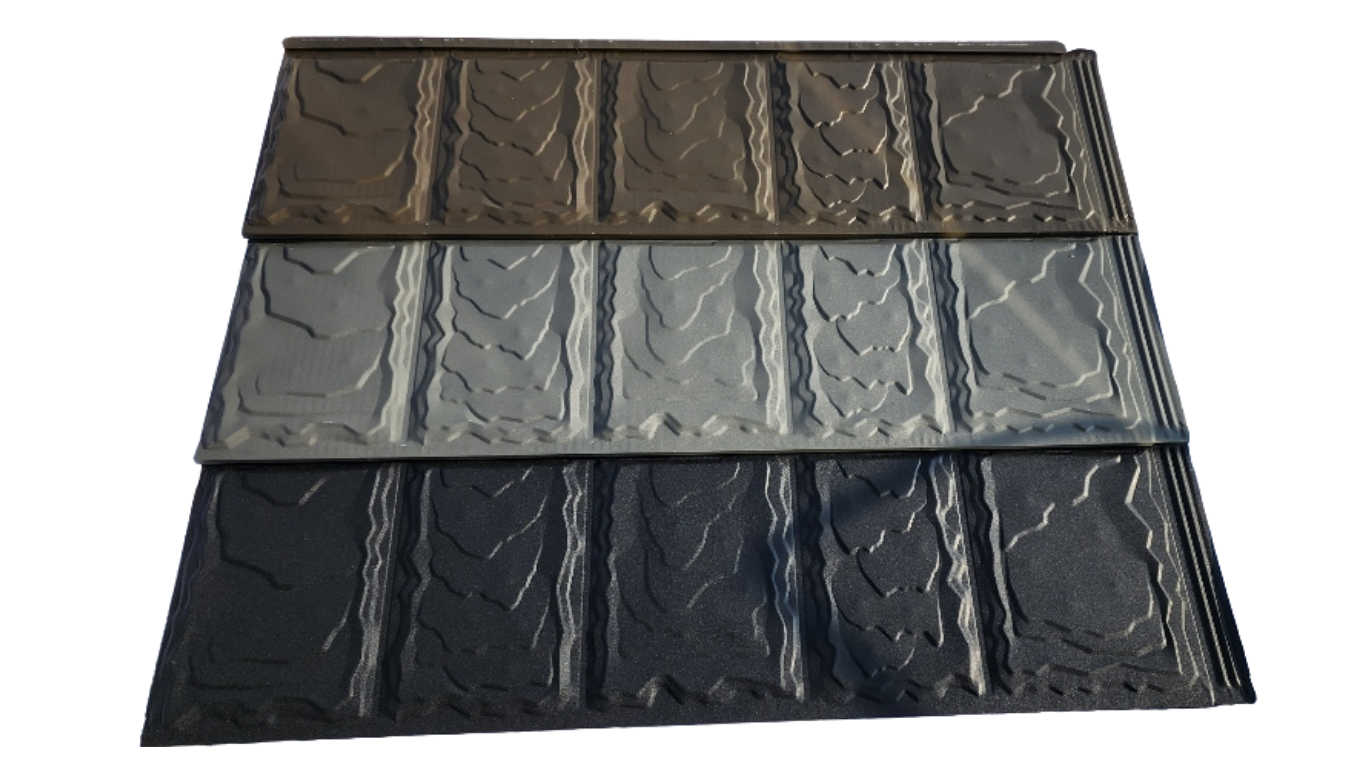
Snowfall in Toronto varies significantly, with wet, heavy snow being more common than deep accumulation. The weight of slush-based snow places concentrated force along roof edges and valleys. Asphalt shingles often lift, curl, or absorb moisture during these conditions. Interlocking steel shingle systems shed snow predictably, reducing load concentration and minimizing freeze–thaw water intrusion at eaves, dormers, and roof-wall intersections.
Ice Formation Dynamics in Toronto Winters
Toronto experiences regular melt events throughout winter, allowing water to travel under layers of accumulated snow before refreezing. This process creates ice ridges that lift shingles and block drainage paths. Asphalt roofs in Toronto frequently suffer from ice-driven leaks due to capillary water movement beneath shingle courses. Metal roofing minimizes ice adhesion and provides improved drainage due to a smoother surface and tighter interlocking edges.
Urban Heat Island Effects
Downtown and midtown Toronto experience elevated summer roof temperatures due to dense infrastructure and reflective heat storage. Asphalt shingles absorb this heat and degrade faster, losing granules and drying out unevenly. G90 galvanized steel roofs maintain lower surface temperatures and avoid granular erosion, allowing them to withstand prolonged heat exposure without significant material breakdown.
Wind and Storm Considerations
Toronto roof assemblies frequently encounter wind bursts along open corridors, waterfront zones, and high-elevation neighborhoods. Asphalt shingles secured with adhesives loosen under repeated uplift events. Steel shingles, which lock mechanically on all sides, maintain their structural position under Toronto wind profiles. The secure interlock system reduces the risk of wind-driven rain intrusion and extends long-term weather resistance.
Roof Deck Conditions in Toronto Homes
Many Toronto homes contain aging roof decks built from plank boards or early-generation plywood. These materials are highly sensitive to moisture cycling and may soften under prolonged exposure to humidity. Steel roofing reduces total moisture load on decking by limiting water absorption and maintaining a more stable roof temperature profile. This results in better long-term preservation of structural wood components.
Typical Lifespan of Roofing Materials in Toronto
| Material | Average Lifespan in Toronto | Key Weaknesses |
|---|---|---|
| 3-Tab Asphalt | 7–9 years | Thermal cracking, granule loss, moisture absorption |
| Architectural Asphalt | 10–12 years | Edge curling, attic heat stress, UV fatigue |
| Premium Asphalt | 12–15 years | Freeze–thaw damage, adhesive separation |
| Standing Seam Metal | 30–40 years | Oil canning, panel movement noise |
| G90 Interlocking Steel | 50+ years | Minimal issues in Toronto climate |
Roof Ventilation Patterns in Toronto Houses
Ventilation challenges are common in Toronto homes built before modern airflow standards. Many feature small soffit openings, blocked pathways, or low ridge venting capacity. Warm attic air trapped beneath asphalt shingles accelerates premature shingle distortion and increases attic moisture levels. Metal roofing paired with proper ventilation moderates temperature swings and reduces humidity, stabilizing the entire roof assembly.
Building Age and Roofing Behaviour Across Toronto
Toronto’s housing stock includes century-old brick homes, post-war bungalows, 1970s subdivisions, and modern infill construction. Each era presents unique ventilation and insulation challenges. Older homes with limited airflow experience significant attic temperature fluctuations, increasing the rate of asphalt roof deterioration. Steel roofing reduces the total thermal load on older attics and protects vulnerable deck materials from moisture intrusion.
Toronto Rainfall and Stormwater Management
Toronto roofs handle frequent rain events throughout spring and fall. Asphalt systems allow water to slow-drain across granule surfaces, increasing the potential for water infiltration along weak points. Metal roofing provides superior hydrodynamics with faster runoff and reduced standing water exposure. This lowers the risk of moisture-driven roof deck damage and mould growth inside attic spaces.
Advantages of Metal Roofing in Toronto
Metal roofing provides meaningful advantages in Toronto’s demanding climate. Benefits include predictable snow shedding, reduced thermal load, stable surface behaviour under UV exposure, improved resistance to wind uplift, and greater protection against moisture-driven structural deterioration. G90 galvanized steel coatings maintain colour integrity for decades and resist corrosion under Toronto’s mixed winter moisture conditions.
Toronto Roofing Maintenance Requirements
Asphalt roofing in Toronto typically requires maintenance within the first few years due to granule shedding, flashing shifts, and heat-related material distortion. Metal roofing eliminates most of these maintenance concerns. Homeowners benefit from stability across all seasons, reduced risk of leaks, and long-term structural reliability. Steel roofing provides Toronto homes with consistent performance and predictable behaviour under harsh weather swings.
ROOFNOW™ Tools for Toronto Homeowners
- Digital Roofing Intelligence™ Index
- Ontario Roof Failure Probability Calculator™
- Ontario Roof Lifespan Predictor™
- Lifetime Roof Simulator
- Roof Health Scanner
- Inspection Wizard
- Cost Calculator
- Square Calculator
- Energy Savings Calculator
ROOFNOW™ Recommendations for Toronto Homes
Toronto homeowners benefit from roofing systems designed to handle year-round climate volatility and structural moisture challenges. G90 steel roofing provides superior durability, temperature stability, and predictable performance under local conditions. Ensuring balanced attic ventilation and proper insulation further enhances roof longevity and reduces long-term maintenance requirements.
ROOFNOW™ supports Toronto homeowners with engineering-grade roofing education, advanced diagnostics, and tools built to evaluate long-term roof performance in Ontario’s demanding climate.
ROOFNOW™ provides Ontario homeowners with technical, engineering-based roofing knowledge covering attic airflow, soffit performance, winter moisture behaviour, and long-term roof durability. Explore more at ROOFNOW™ Knowledge Center, www.roofnowontario.com, or visit www.roofnow.ca.
Recommended reading: Roof Smart. Roof Once.
🏠 STOP RE-ROOFING. ROOF SMART. ROOF ONCE. ROOFNOW™.
#roofnowontario






 Contractor Member
 50-Year Warranty